Finding the right job can be challenging, especially for beginners who are starting their careers. Many people apply for different positions but struggle to find opportunities that match their skills and qualifications.
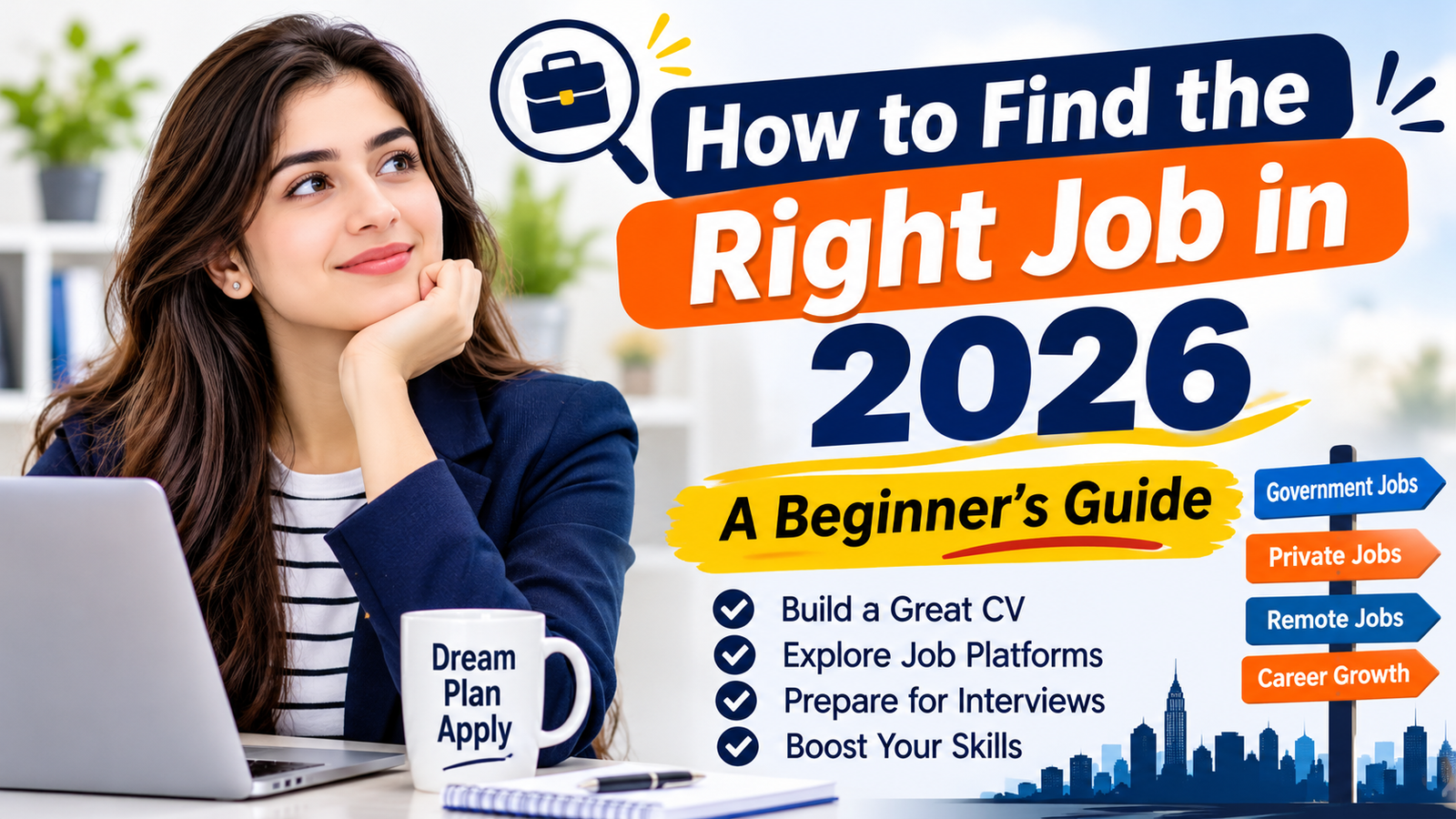
In 2026, job seekers have several options, including government jobs, private sector positions and remote work. With proper planning and preparation, finding a suitable job can become easier.
1. Understand Your Skills
Before searching for a job, identify your strengths, education and interests. Think about the type of work you enjoy and the skills you already have.
For example, people with communication skills can explore customer service jobs, while those with computer knowledge may consider administrative or IT-related positions.
2. Explore Different Job Opportunities
There are several types of jobs available for candidates with different qualifications.
- Government Jobs: Opportunities in public departments, education and healthcare.
- Private Jobs: Positions in companies, offices, retail and business organisations.
- Remote Jobs: Work-from-home opportunities depending on the employer.
- Part-Time Jobs: Flexible positions suitable for students and other job seekers.
Explore different categories to find opportunities that match your needs.
3. Prepare a Professional CV
A professional CV helps employers understand your qualifications and experience.
Make sure your CV includes:
- Contact information.
- Educational qualifications.
- Work experience, if available.
- Relevant skills and certifications.
Keep your CV clear, simple and updated. Adjust it according to the job requirements whenever necessary.
4. Use Reliable Job Platforms
Online job platforms make it easier to discover employment opportunities. You can visit company career pages, government recruitment websites and trusted job portals.
Always read the job description carefully. Check the required qualifications, responsibilities and application deadlines before applying.
5. Improve Your Professional Skills
Learning new skills can help you become a stronger candidate. Consider improving your computer knowledge, communication, teamwork and problem-solving abilities.
You can also take online courses or participate in practical training to develop knowledge related to your chosen career.
6. Prepare for Interviews
Interview preparation is an important part of finding a job. Research the company and understand the responsibilities of the position.
Practise common interview questions and explain your skills honestly. Good preparation can help you communicate more confidently.
Common Job Search Mistakes
Avoid these common mistakes when applying for jobs:
- Sending an incomplete CV.
- Applying without checking eligibility.
- Missing application deadlines.
- Providing incorrect information.
- Trusting suspicious job advertisements.
Always verify job opportunities through reliable sources.
Frequently Asked Questions
1. Can beginners find jobs without experience?
Yes. Many employers offer entry-level positions for candidates with limited experience.
2. Where can I find government jobs?
Check official government department websites and authorised recruitment portals.
3. Are remote jobs suitable for beginners?
Some remote positions are available for beginners, depending on the required skills and employer.
4. How can I improve my chances of getting hired?
Prepare a professional CV, improve your skills and apply for positions that match your qualifications.
Conclusion
Finding the right job requires patience, preparation and consistent effort. Focus on your skills, explore suitable opportunities and prepare carefully for applications and interviews. A planned approach can help you move towards a successful career in 2026.