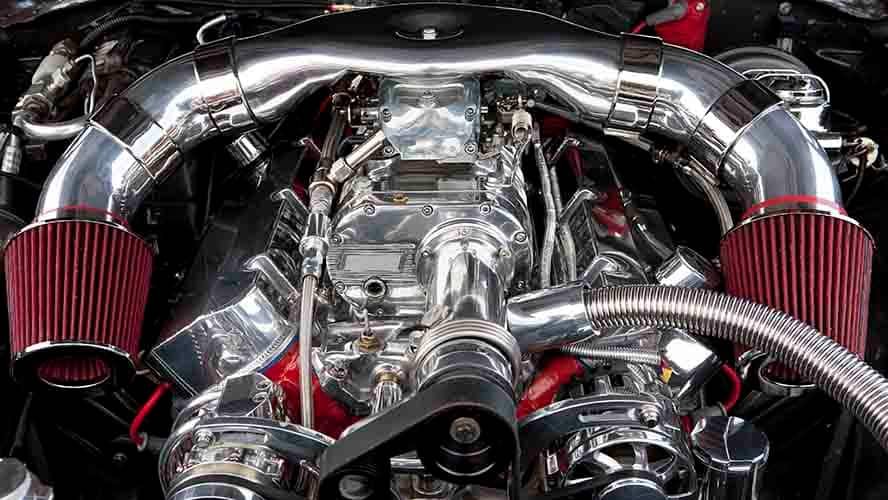
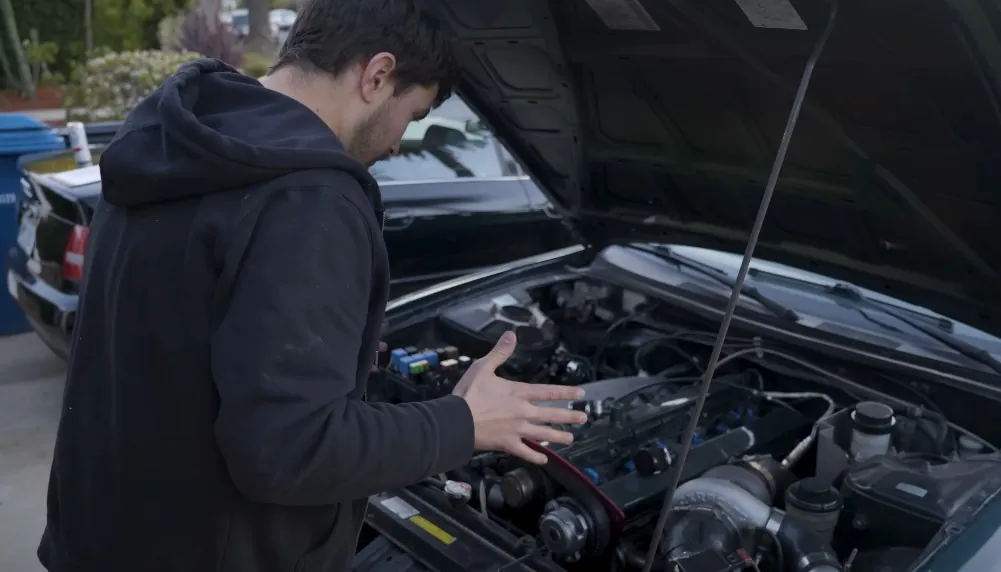
Maintaining your car doesn’t have to be a headache—or a drain on your wallet. In 2025, car owners are turning to DIY maintenance hacks that are smarter, faster, and often more fun than a trip to the mechanic. Whether you’re a car enthusiast or just someone who wants to keep your ride in tip-top shape, these DIY tips will save you money, time, and stress. So buckle up—we’re about to drive through the top DIY car maintenance hacks for 2025.
Why DIY Car Maintenance Matters in 2025
Let’s face it, taking your car to a shop for even small fixes can be expensive. In 2025, DIY car maintenance isn’t just trendy—it’s practical. Not only does it help you save money, but it also gives you a better understanding of your vehicle. Think of it as a gym membership for your car: regular workouts keep it running smoothly and prevent bigger problems down the road.
The Essential Tools Every DIY Car Owner Needs
Before diving into hacks, let’s make sure you’re armed with the right tools. Think of your toolbox as a superhero’s utility belt—without the right gadgets, even the best hacks fall flat. Here’s what you’ll need:
H3: Basic Tools for Every Car Owner
- Socket and wrench set – For bolts, nuts, and all the fiddly parts.
- Screwdrivers (flathead and Phillips) – A universal tool for multiple tasks.
- Car jack and stands – Safety first; never rely on just the jack.
- Tire pressure gauge – Small, cheap, but crucial.
- Funnel and fluid containers – For oil, coolant, and brake fluids.
H3: Advanced Tools for 2025 DIY Enthusiasts
- OBD-II scanner – Connects to your car to diagnose engine codes.
- Cordless impact wrench – Makes changing tires or brakes faster.
- Magnetic tool trays – Keep your nuts and bolts in place.
- LED work light – Because no one likes crawling under a car in the dark.
1. Quick and Easy Oil Changes at Home
Changing your oil is like feeding your car—it keeps the engine healthy and running smooth. You don’t need a fancy garage for this; just follow a few simple steps:
H3: Step-By-Step Oil Change
- Warm up the engine slightly (never hot).
- Lift the car safely with a jack and secure it on stands.
- Place a pan under the oil drain plug, remove the plug, and let the old oil drain.
- Replace the oil filter with a new one.
- Pour in fresh oil using a funnel.
- Check the oil level with the dipstick.
Pro Tip: Use synthetic oil if your car supports it—it lasts longer and keeps the engine cooler.
2. Tire Maintenance Hacks
Tires are the only part of your car touching the road, so keeping them in shape is critical. Here’s how to DIY like a pro:
H3: Check Tire Pressure Like a Boss
Low or uneven tire pressure affects fuel efficiency and safety. Use a tire pressure gauge once a month. Bonus tip: check the pressure when tires are cold for the most accurate reading.
H3: DIY Tire Rotation
Rotating tires every 5,000–7,000 miles ensures even wear and extends tire life. Swap the front and rear tires, keeping track of which side they were on.
H3: Fixing Minor Punctures
For small punctures, a tire repair kit can save you a trip to the mechanic. Simply remove the object, insert the plug, and inflate the tire. Done.
3. Clean Your Car Like a Pro Without Expensive Products
Let’s be honest—car detailing products can cost a fortune. Here’s how to DIY your car cleaning in 2025:
H3: Interior Cleaning Hacks
- Use baking soda to remove stubborn carpet stains.
- Microfiber cloths are magic for dashboards and screens—they trap dust without scratching.
- Old toothbrushes work wonders for hard-to-reach spots like vents and seams.
H3: Exterior Cleaning Hacks
- DIY wax using car polish and microfiber cloth.
- Vinegar and water solution works great for windshield streaks.
- Avoid direct sunlight when washing—prevents water spots.
4. Battery Maintenance Hacks
Your car battery is like the heart of your vehicle. A dead battery can leave you stranded in a heartbeat. Here’s how to keep it healthy:
H3: DIY Battery Check
- Check for corrosion around terminals and clean with baking soda and water.
- Ensure cables are tight and secure.
- Test voltage using a multimeter; a healthy battery reads around 12.6 volts when idle.
Pro Tip: In 2025, consider a solar trickle charger for vehicles that sit idle often—keeps your battery charged without plugging in.
5. DIY Brake Maintenance Hacks
Brakes are non-negotiable when it comes to safety. Regular DIY checks prevent costly repairs later:
H3: How to Inspect Brakes
- Look for wear on brake pads through the wheel spokes.
- Listen for squealing or grinding sounds—your ears are your first diagnostic tool.
- Check brake fluid levels in the reservoir.
H3: Replacing Brake Pads
Changing brake pads at home is easier than you think. Remove the wheel, take off the caliper, swap the old pads for new ones, and reassemble. Always double-check your work.
6. DIY Headlight and Taillight Fixes
Flickering or dim lights? Don’t rush to the shop. You can fix it in minutes:
- Replace bulbs—just check your car manual for the correct type.
- Clean lenses with toothpaste or a lens restoration kit.
- Check fuses if lights aren’t working at all—sometimes the fix is that simple.
7. Air Filter Replacement Made Simple
Air filters keep your engine clean and fuel-efficient. Replacing one is a straightforward hack:
- Open the air filter compartment (usually clips or screws).
- Remove the old filter and clean the compartment.
- Insert the new filter and close the cover.
Bonus: A clean air filter improves acceleration and fuel economy—who doesn’t want that?
8. Coolant System Checks
Overheating is a car owner’s nightmare, but a simple coolant check can prevent it:
- Make sure the engine is cool before checking levels.
- Open the radiator cap and fill to the recommended level.
- Inspect hoses for cracks or leaks.
Pro Tip: In 2025, eco-friendly coolants are popular—they protect your car and the environment.
9. Windshield Wiper Hacks
Annoying streaks or squeaks? Wiper maintenance is often overlooked:
- Replace wiper blades every 6–12 months.
- Clean the windshield and blades with mild soap and water.
- Use rubbing alcohol to remove stubborn grime.
10. DIY Engine Bay Cleaning
A clean engine not only looks good—it helps you spot leaks and other issues early:
- Cover electrical components with plastic bags.
- Spray a degreaser lightly on metal parts.
- Rinse gently with low-pressure water and let it dry.
Safety Tip: Never spray a hot engine directly; it can crack components.
11. Fixing Minor Scratches
Minor scratches can be fixed at home without painting the entire car:
- Use a scratch remover or rubbing compound.
- Apply in circular motions with a microfiber cloth.
- Buff lightly and finish with wax for shine.
12. Fuel Efficiency Hacks
Want to save money at the pump? These DIY tricks help:
- Keep tires properly inflated.
- Clean or replace air filters regularly.
- Avoid idling unnecessarily.
- Use lighter oils recommended for your car.
13. DIY Suspension Check
A bumpy ride could mean suspension issues. Here’s what to do:
- Look for leaks in shock absorbers.
- Push down on each corner of the car; if it bounces more than once, shocks may need attention.
- Inspect bushings and mounts for wear.
14. Smart Storage Hacks for Tools and Parts
Keep your DIY maintenance organized in 2025:
- Use labeled bins for nuts, bolts, and screws.
- Magnetic strips hold small metal tools.
- Toolboxes with drawers prevent chaos and save time.
15. Staying Safe While DIY Car Maintenance
DIY is empowering—but safety comes first:
- Always wear gloves and eye protection.
- Never work under an unsupported car.
- Keep a fire extinguisher nearby.
- Read manuals and follow guidelines for all fluids and components.
Conclusion
DIY car maintenance in 2025 isn’t just a trend—it’s a lifestyle. With the right tools, smart hacks, and a little patience, you can keep your car running smoothly, save money, and enjoy the satisfaction of doing it yourself. From oil changes to brake checks, tire maintenance, and clever cleaning hacks, these tips cover everything you need to take care of your car like a pro. Remember, consistency is key—small, regular efforts pay off big in the long run.
FAQs
Q1: Can I really change my car oil at home safely?
Yes! As long as you use the correct oil type, a proper jack, and follow safety steps, oil changes are safe and straightforward.
Q2: How often should I rotate my tires?
Rotate your tires every 5,000–7,000 miles to ensure even wear and extend their lifespan.
Q3: Are DIY brake pad replacements safe?
Absolutely, if you follow step-by-step instructions and double-check your work. Use proper tools and never compromise safety.
Q4: How can I improve my car’s fuel efficiency easily?
Keep tires properly inflated, change air filters regularly, and avoid unnecessary idling. Light synthetic oils also help.
Q5: What’s the easiest way to clean headlights at home?
Use toothpaste or a dedicated lens restoration kit. Rub in circular motions, rinse, and dry for a clearer shine.